In a major development for artificial intelligence security, the SPIFFE framework is being hailed as a breakthrough for authenticating autonomous, non-human actors in real-time digital environments.
As AI systems operate with increasing independence, traditional identity frameworks — designed for human users — are proving inadequate. SPIFFE (Secure Production Identity Framework For Everyone), an open standard originally built for microservices in cloud-native settings, now offers a battle-tested solution for dynamic, ephemeral, and non-human entities.
Background
SPIFFE provides each workload, process, or AI agent with a unique, cryptographically verifiable identity called a SPIFFE ID. This eliminates reliance on long-lived secrets such as passwords or API keys, which are vulnerable to leaks and theft.
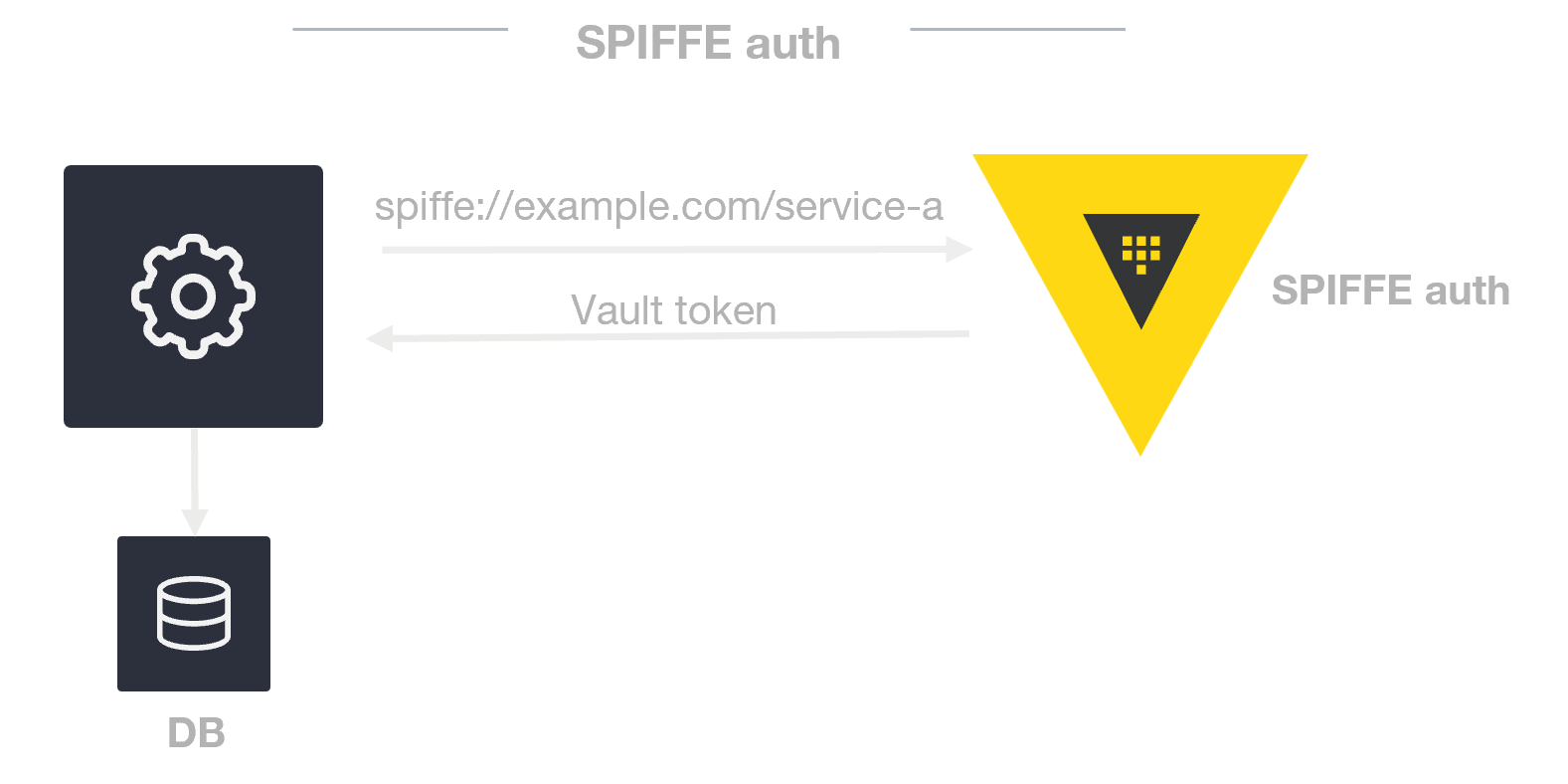
Originally developed for containerized environments, SPIFFE now applies to the growing ecosystem of agentic AI — autonomous bots, LLM-powered agents, and robotic systems that make decisions and interact across networks without human intervention.
The Identity Challenge for Agentic AI
AI agents must authenticate themselves to other systems, establish trust in multi-agent setups, and operate securely across organizations. SPIFFE addresses these needs with four key features, according to experts familiar with the standard.
Verifiable non-human identity: Each agent receives a unique SPIFFE ID tied to the workload, not a person. This proves origin, capabilities, and trust level.
Dr. Anya Sharma, a cybersecurity researcher at the Institute for Autonomous Systems, explains: “SPIFFE IDs are a game-changer because they decouple identity from human credentials. For AI agents that exist only for minutes, this is essential.”
Zero trust architecture (ZTA): SPIFFE enables mutual TLS (mTLS) between agents, ensuring every interaction is authenticated and encrypted. No entity is trusted by default.
Federation across domains: Agentic AI frequently spans multiple clouds, organizations, or networks. SPIFFE’s federation model allows identities to be validated across trust domains, enabling secure collaboration between agents from different environments.
Dynamic identity lifecycle: AI agents are often spun up and decommissioned quickly. SPIFFE supports ephemeral identities with automatic rotation and revocation, keeping credentials short-lived to reduce attack surface.
What This Means
The implications of SPIFFE for AI security are profound, says Mark Chen, CTO of IdentityX. “We’re seeing a shift from static, human-centric identity to workload-centric identity. SPIFFE makes it possible to trust AI agents at scale.”
In a practical scenario, a swarm of AI agents managing smart city infrastructure — traffic lights, energy grids, emergency responses — can authenticate each other, prove authority for specific actions, and communicate securely. Without SPIFFE, such multi-agent coordination would be vulnerable to impersonation and data breaches.
The U.S. National Institute of Standards and Technology (NIST) has noted in recent guidelines that identity management for non-human entities is a top priority for next-generation zero trust frameworks. SPIFFE aligns directly with those recommendations.
Industry observers expect adoption to accelerate as organizations deploy more autonomous systems. The open-source SPIFFE project, maintained under the Cloud Native Computing Foundation (CNCF), already has production deployments in several Fortune 500 companies.
“This is not a future problem — it’s happening now,” warns Dr. Sharma. “Every day, we see new AI agents that need to prove who they are without human intervention. SPIFFE is the only standard ready for that today.”